Ceramic Industry 2025 – Graphic Design & Visual Trends that Elevate Your Brand
Introduction:
In the competitive world of ceramics, great products aren't enough—you need powerful visuals to stand out. Whether you're launching a new slab collection or rebranding your export identity, graphic design plays a key role in how your audience perceives you.
In 2025, ceramic brands are embracing clean design, architectural elegance, and digital-first thinking to communicate trust, innovation, and premium quality. Let’s break down the most effective graphic design trends shaping the ceramic industry this year.
1. Monotone & Earth-Inspired Color Palettes
Color is more than aesthetic—it’s a brand signal. Ceramic brands are now using desaturated, earthy, or monochrome color schemes in their branding, packaging, and catalogs.
Design Tip:
Use a muted base palette (greys, sand, terracotta, charcoal) with one accent tone to define brand identity across all mediums—catalogs, packaging, digital banners, and signage.
Why it works:
These palettes reflect the natural material feel of ceramics and resonate well with both architects and modern consumers.
2.Brutalist Layouts with Architectural Grids
In 2025, structure is everything. Brands are ditching over-decorated layouts for grid-based, architecture-inspired visual design. Think clean spacing, strong lines, and calculated symmetry.
In Action:
- Product catalog with asymmetrical grids and sharp alignment
- Brand presentations that feel like architectural blueprints
- Layouts that highlight material, dimension, and texture through minimal design
Why it works:
Architects and designers prefer clear, structured visuals—they trust brands that speak their language.
3.Tactile Typography & Material-Focused Font Pairings
Typography in ceramics is moving away from decorative styles. Now, it’s about subtle elegance and fonts that feel grounded, bold, or architectural.
Top Font Styles for 2025:
- Modern Serif + Thin Sans Serif (e.g., Playfair + Inter)
- Geometric Fonts (e.g., Neue Haas Grotesk, Satoshi)
- Stamped or monospaced styles that mimic engraved slab markings
Pro Tip:
Use texture overlays (like concrete, clay, or grain) on typography for digital banners or campaign posters to evoke material feel even in digital media.
4. Lifestyle Photography + Graphic Blending
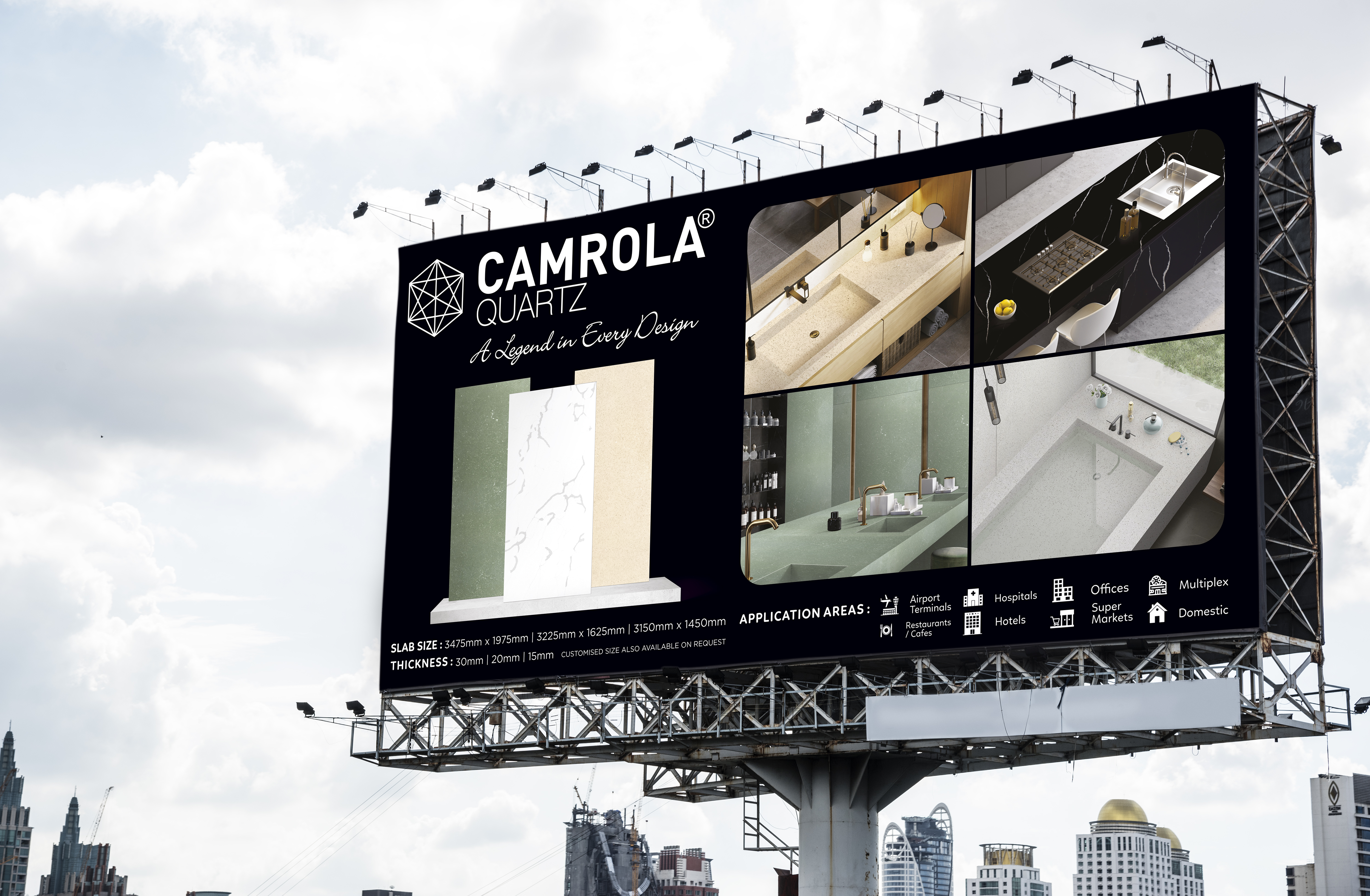
Product cut-outs are out. In 2025, visuals are all about ceramic in context—real homes, styled spaces, architectural setups. These are then enhanced with clean graphic overlays or subtle design cues.
Design Uses:
- Hero shots with branding elements (logos, product names) subtly embedded
- Color-matching between slab hues and surrounding graphics
- Soft gradients to transition between product and lifestyle imagery
Why it works:
Combining lifestyle with minimal design creates an emotional connection while still showcasing product quality.
5. Interactive Digital Graphics & Motion Visuals
As ceramic buying moves online, interactive digital design is becoming a game changer.
Graphic Design Tools in Play:
- Animated slab textures for web and digital catalogs
- Hover-based material previews (matte/gloss/rough)
- Looping video banners showing application transitions (bathroom → wall cladding → commercial space)
Bonus:
Use subtle parallax scrolling, minimal animations, or 3D slab renderings to make your website feel immersive and modern.
Design is Your Competitive Edge
The best ceramic brands in 2025 understand that graphic design is not just decoration—it’s strategy. Every touchpoint, from a business card to a booth backdrop, should speak the same visual language. Whether you're targeting architects, builders, or end-users, strong visuals convert interest into trust—and trust into business.
Need a visual refresh for your ceramic brand?
At Mango Creatif , we specialize in ceramic industry branding—from logo systems and catalogs to digital visuals and exhibition graphics. Let’s make your brand look as premium as your product.
Why Social Media Marketing is Crucial for Packaged Food Brands
Introduction:
In today’s hyperconnected world, brands are no longer built just on taste—they’re built on digital presence. For leading Indian packaged food brands like Balaji, Haldiram’s, and Bikaji, social media has become a powerful platform to not only showcase their products but also to create strong emotional connections with their audience.
Let’s explore why social media marketing is a game-changer for FMCG food brands and how it can influence everything from brand perception to purchase decisions.
1. Creating a Brand Identity Beyond the Shelf
In the crowded snack food market, having a distinct identity is key. Social media allows brands to build personalities beyond packaging—whether it's Haldiram’s showcasing its legacy and cultural relevance, or Balaji presenting itself as the “people’s snack brand” with fun, local flavor.
From witty reels and regional language campaigns to festive brand storytelling, social platforms give packaged food brands the chance to own a distinct voice and connect with consumers on a cultural and emotional level.
2. Influencing Impulse Buying with Visual Content
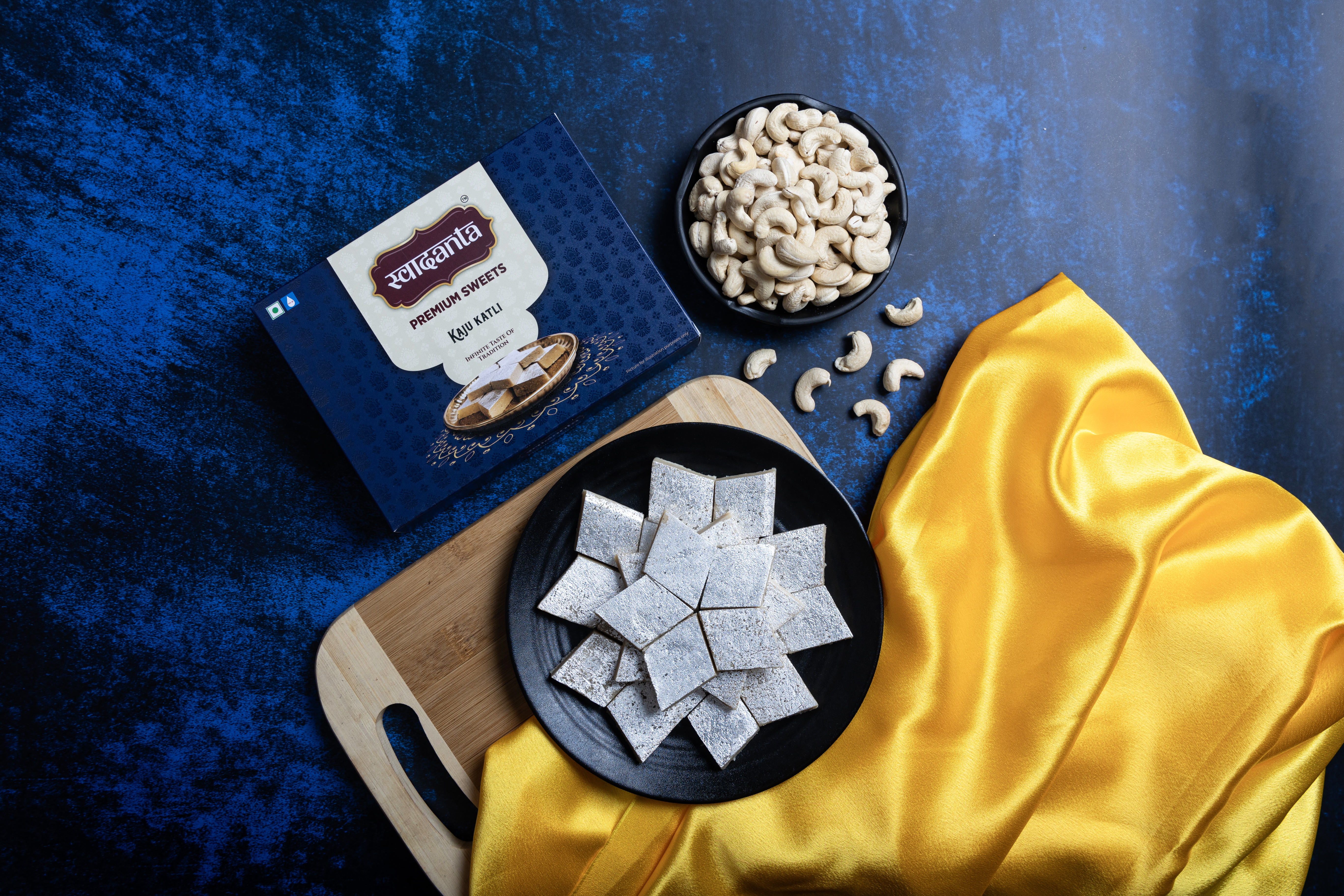
Let’s be honest—seeing a crisp samosa or masala chips pop up on your Instagram feed is enough to trigger cravings. With snack food purchases often being impulsive, brands that regularly post engaging, drool-worthy visuals have a better chance of converting views into purchases.
Even better? Platforms like Instagram Shopping and Facebook Shop now let brands link products directly for purchase—reducing the time between "want" and "buy."
3. Regional & Hyperlocal Targeting Made Easy
Packaged food brands like Balaji often win due to their strong regional connect. Social media allows brands to run geo-targeted campaigns in local languages, collaborate with regional influencers, and stay relevant to their diverse audiences across states and cultures.
This level of hyperlocal customization was never possible through traditional marketing.
4. Building Brand Loyalty with Engaging Campaigns
Social media isn’t just for visibility—it’s a retention tool. Brands can create loyalty by engaging users with:
- Contests (e.g., "Create your snack combo and win")
- Behind-the-scenes factory videos
- Customer spotlight reels
- Festive limited-edition packaging reveals
These campaigns build a sense of community and keep audiences coming back—not just for snacks, but for stories.
5. Crisis Management & Reputation Building
In the FMCG space, consumer trust is everything. Social media enables real-time communication in case of a product issue, recall, or negative feedback. A quick, transparent response can turn a negative experience into a brand loyalty win.
Conversely, sharing CSR initiatives, eco-friendly packaging efforts, or hygiene standards also helps brands build a reputation of trust, quality, and responsibility.
6. Riding Trends and Viral Moments
Social media is where the trends live—and snack brands can benefit hugely by hopping on the right ones. Whether it’s launching a trending flavor, jumping on a meme trend, or co-creating content with food influencers, being agile and trend-aware keeps brands like Haldiram’s relevant to younger, digital-savvy consumers.
In Conclusion:
For packaged food brands, social media marketing is more than a promotional tool—it's a branding necessity. It shapes how people feel about your products, influences buying decisions, and drives lasting loyalty. In a market where consumer attention is split across hundreds of choices, your brand's scroll-stopping content can make all the difference.
If you’re a packaged food brand looking to grow your digital footprint—now’s the time to level up your social game.